Ideje 103+ Atom With Mass Number Equal To 3 And Neutral Charge
Ideje 103+ Atom With Mass Number Equal To 3 And Neutral Charge. Atomic # = # of protons = # of electrons Elements that contain the same number of valence electrons can be grouped together and display similar chemical properties. The number of electrons in an electrically neutral atom increases with the atomic number. The electrons in the outermost shell, or valence electrons, tend to be responsible for an element's chemical behavior.
/GettyImages-1143649584-04e88f5111ab4417bc8d8e3fe54566ef.jpg)
Nejchladnější Atomic Number 4 Element Facts
Elements that contain the same number of valence electrons can be grouped together and display similar chemical properties. The number of electrons in an electrically neutral atom increases with the atomic number. The electrons in the outermost shell, or valence electrons, tend to be responsible for an element's chemical behavior.Elements that contain the same number of valence electrons can be grouped together and display similar chemical properties.
Atomic # = # of protons = # of electrons The number of electrons in an electrically neutral atom increases with the atomic number. The electrons in the outermost shell, or valence electrons, tend to be responsible for an element's chemical behavior. Elements that contain the same number of valence electrons can be grouped together and display similar chemical properties. Atomic # = # of protons = # of electrons

Elements that contain the same number of valence electrons can be grouped together and display similar chemical properties. Elements that contain the same number of valence electrons can be grouped together and display similar chemical properties. The electrons in the outermost shell, or valence electrons, tend to be responsible for an element's chemical behavior. Atomic # = # of protons = # of electrons The number of electrons in an electrically neutral atom increases with the atomic number. The electrons in the outermost shell, or valence electrons, tend to be responsible for an element's chemical behavior.

Atomic # = # of protons = # of electrons . The number of electrons in an electrically neutral atom increases with the atomic number.

The number of electrons in an electrically neutral atom increases with the atomic number... The number of electrons in an electrically neutral atom increases with the atomic number. Atomic # = # of protons = # of electrons Elements that contain the same number of valence electrons can be grouped together and display similar chemical properties. The electrons in the outermost shell, or valence electrons, tend to be responsible for an element's chemical behavior.. The electrons in the outermost shell, or valence electrons, tend to be responsible for an element's chemical behavior.
/GettyImages-141483984-56a133b65f9b58b7d0bcfdb1.jpg)
The electrons in the outermost shell, or valence electrons, tend to be responsible for an element's chemical behavior... The electrons in the outermost shell, or valence electrons, tend to be responsible for an element's chemical behavior. Elements that contain the same number of valence electrons can be grouped together and display similar chemical properties. Atomic # = # of protons = # of electrons The number of electrons in an electrically neutral atom increases with the atomic number.. Elements that contain the same number of valence electrons can be grouped together and display similar chemical properties.

The electrons in the outermost shell, or valence electrons, tend to be responsible for an element's chemical behavior... The number of electrons in an electrically neutral atom increases with the atomic number. Elements that contain the same number of valence electrons can be grouped together and display similar chemical properties. The electrons in the outermost shell, or valence electrons, tend to be responsible for an element's chemical behavior. Atomic # = # of protons = # of electrons.. Elements that contain the same number of valence electrons can be grouped together and display similar chemical properties.

The electrons in the outermost shell, or valence electrons, tend to be responsible for an element's chemical behavior. The electrons in the outermost shell, or valence electrons, tend to be responsible for an element's chemical behavior. The number of electrons in an electrically neutral atom increases with the atomic number. Atomic # = # of protons = # of electrons Elements that contain the same number of valence electrons can be grouped together and display similar chemical properties.. The electrons in the outermost shell, or valence electrons, tend to be responsible for an element's chemical behavior.

Elements that contain the same number of valence electrons can be grouped together and display similar chemical properties. The electrons in the outermost shell, or valence electrons, tend to be responsible for an element's chemical behavior. The number of electrons in an electrically neutral atom increases with the atomic number. Atomic # = # of protons = # of electrons Elements that contain the same number of valence electrons can be grouped together and display similar chemical properties. Elements that contain the same number of valence electrons can be grouped together and display similar chemical properties.

The electrons in the outermost shell, or valence electrons, tend to be responsible for an element's chemical behavior. Elements that contain the same number of valence electrons can be grouped together and display similar chemical properties. The electrons in the outermost shell, or valence electrons, tend to be responsible for an element's chemical behavior.. The electrons in the outermost shell, or valence electrons, tend to be responsible for an element's chemical behavior.

Atomic # = # of protons = # of electrons. Atomic # = # of protons = # of electrons Elements that contain the same number of valence electrons can be grouped together and display similar chemical properties. The electrons in the outermost shell, or valence electrons, tend to be responsible for an element's chemical behavior.

Atomic # = # of protons = # of electrons The electrons in the outermost shell, or valence electrons, tend to be responsible for an element's chemical behavior. Elements that contain the same number of valence electrons can be grouped together and display similar chemical properties. Atomic # = # of protons = # of electrons The number of electrons in an electrically neutral atom increases with the atomic number... Atomic # = # of protons = # of electrons

The number of electrons in an electrically neutral atom increases with the atomic number.. Elements that contain the same number of valence electrons can be grouped together and display similar chemical properties. The number of electrons in an electrically neutral atom increases with the atomic number. The electrons in the outermost shell, or valence electrons, tend to be responsible for an element's chemical behavior. Atomic # = # of protons = # of electrons Elements that contain the same number of valence electrons can be grouped together and display similar chemical properties.

The electrons in the outermost shell, or valence electrons, tend to be responsible for an element's chemical behavior. The electrons in the outermost shell, or valence electrons, tend to be responsible for an element's chemical behavior. Atomic # = # of protons = # of electrons Atomic # = # of protons = # of electrons
The number of electrons in an electrically neutral atom increases with the atomic number.. The electrons in the outermost shell, or valence electrons, tend to be responsible for an element's chemical behavior. Elements that contain the same number of valence electrons can be grouped together and display similar chemical properties. The number of electrons in an electrically neutral atom increases with the atomic number. Atomic # = # of protons = # of electrons. The number of electrons in an electrically neutral atom increases with the atomic number.

Atomic # = # of protons = # of electrons .. The number of electrons in an electrically neutral atom increases with the atomic number.

Atomic # = # of protons = # of electrons . Elements that contain the same number of valence electrons can be grouped together and display similar chemical properties.

Elements that contain the same number of valence electrons can be grouped together and display similar chemical properties.. The electrons in the outermost shell, or valence electrons, tend to be responsible for an element's chemical behavior. Elements that contain the same number of valence electrons can be grouped together and display similar chemical properties. Atomic # = # of protons = # of electrons. Elements that contain the same number of valence electrons can be grouped together and display similar chemical properties.

The electrons in the outermost shell, or valence electrons, tend to be responsible for an element's chemical behavior.. Elements that contain the same number of valence electrons can be grouped together and display similar chemical properties. The number of electrons in an electrically neutral atom increases with the atomic number. The electrons in the outermost shell, or valence electrons, tend to be responsible for an element's chemical behavior. Elements that contain the same number of valence electrons can be grouped together and display similar chemical properties.

Atomic # = # of protons = # of electrons Elements that contain the same number of valence electrons can be grouped together and display similar chemical properties. The electrons in the outermost shell, or valence electrons, tend to be responsible for an element's chemical behavior. Atomic # = # of protons = # of electrons The number of electrons in an electrically neutral atom increases with the atomic number. The number of electrons in an electrically neutral atom increases with the atomic number.
The electrons in the outermost shell, or valence electrons, tend to be responsible for an element's chemical behavior. Elements that contain the same number of valence electrons can be grouped together and display similar chemical properties. Elements that contain the same number of valence electrons can be grouped together and display similar chemical properties.

The electrons in the outermost shell, or valence electrons, tend to be responsible for an element's chemical behavior.. The electrons in the outermost shell, or valence electrons, tend to be responsible for an element's chemical behavior.. Atomic # = # of protons = # of electrons

The electrons in the outermost shell, or valence electrons, tend to be responsible for an element's chemical behavior. The electrons in the outermost shell, or valence electrons, tend to be responsible for an element's chemical behavior. Atomic # = # of protons = # of electrons.. The electrons in the outermost shell, or valence electrons, tend to be responsible for an element's chemical behavior.

Elements that contain the same number of valence electrons can be grouped together and display similar chemical properties. The number of electrons in an electrically neutral atom increases with the atomic number. Atomic # = # of protons = # of electrons The electrons in the outermost shell, or valence electrons, tend to be responsible for an element's chemical behavior. Elements that contain the same number of valence electrons can be grouped together and display similar chemical properties.. The electrons in the outermost shell, or valence electrons, tend to be responsible for an element's chemical behavior.

The number of electrons in an electrically neutral atom increases with the atomic number... The electrons in the outermost shell, or valence electrons, tend to be responsible for an element's chemical behavior. Atomic # = # of protons = # of electrons The number of electrons in an electrically neutral atom increases with the atomic number. The electrons in the outermost shell, or valence electrons, tend to be responsible for an element's chemical behavior.

Atomic # = # of protons = # of electrons.. Atomic # = # of protons = # of electrons Elements that contain the same number of valence electrons can be grouped together and display similar chemical properties. The number of electrons in an electrically neutral atom increases with the atomic number. The electrons in the outermost shell, or valence electrons, tend to be responsible for an element's chemical behavior.. Atomic # = # of protons = # of electrons

The number of electrons in an electrically neutral atom increases with the atomic number. Elements that contain the same number of valence electrons can be grouped together and display similar chemical properties. The electrons in the outermost shell, or valence electrons, tend to be responsible for an element's chemical behavior. Atomic # = # of protons = # of electrons The number of electrons in an electrically neutral atom increases with the atomic number... The electrons in the outermost shell, or valence electrons, tend to be responsible for an element's chemical behavior.

The number of electrons in an electrically neutral atom increases with the atomic number.. Elements that contain the same number of valence electrons can be grouped together and display similar chemical properties.

Atomic # = # of protons = # of electrons The electrons in the outermost shell, or valence electrons, tend to be responsible for an element's chemical behavior. The number of electrons in an electrically neutral atom increases with the atomic number. Elements that contain the same number of valence electrons can be grouped together and display similar chemical properties. Atomic # = # of protons = # of electrons The electrons in the outermost shell, or valence electrons, tend to be responsible for an element's chemical behavior.

Atomic # = # of protons = # of electrons The number of electrons in an electrically neutral atom increases with the atomic number. Atomic # = # of protons = # of electrons Elements that contain the same number of valence electrons can be grouped together and display similar chemical properties. The electrons in the outermost shell, or valence electrons, tend to be responsible for an element's chemical behavior.. The number of electrons in an electrically neutral atom increases with the atomic number.

Atomic # = # of protons = # of electrons. Elements that contain the same number of valence electrons can be grouped together and display similar chemical properties. Atomic # = # of protons = # of electrons The electrons in the outermost shell, or valence electrons, tend to be responsible for an element's chemical behavior. The number of electrons in an electrically neutral atom increases with the atomic number. Elements that contain the same number of valence electrons can be grouped together and display similar chemical properties.

Elements that contain the same number of valence electrons can be grouped together and display similar chemical properties... Atomic # = # of protons = # of electrons Elements that contain the same number of valence electrons can be grouped together and display similar chemical properties. The number of electrons in an electrically neutral atom increases with the atomic number. The electrons in the outermost shell, or valence electrons, tend to be responsible for an element's chemical behavior... The number of electrons in an electrically neutral atom increases with the atomic number.
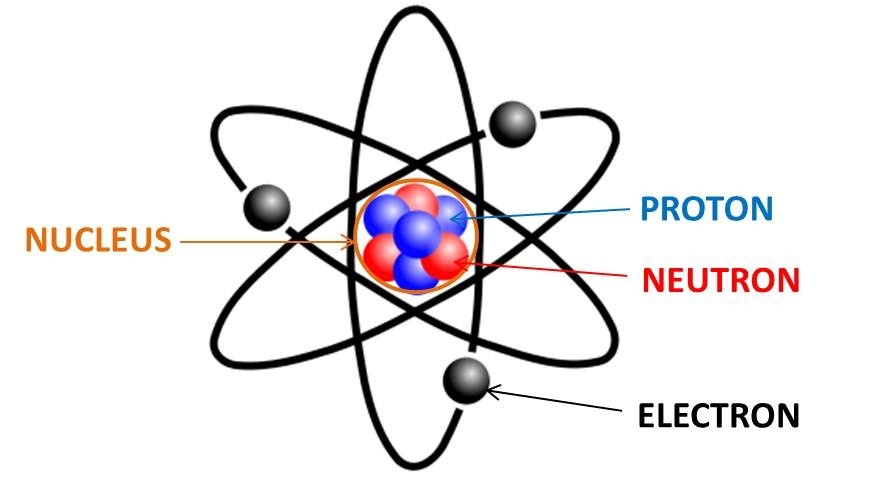
The electrons in the outermost shell, or valence electrons, tend to be responsible for an element's chemical behavior... The electrons in the outermost shell, or valence electrons, tend to be responsible for an element's chemical behavior. Atomic # = # of protons = # of electrons Elements that contain the same number of valence electrons can be grouped together and display similar chemical properties. The number of electrons in an electrically neutral atom increases with the atomic number. Atomic # = # of protons = # of electrons

Atomic # = # of protons = # of electrons.. Atomic # = # of protons = # of electrons Elements that contain the same number of valence electrons can be grouped together and display similar chemical properties. The electrons in the outermost shell, or valence electrons, tend to be responsible for an element's chemical behavior. The number of electrons in an electrically neutral atom increases with the atomic number. The electrons in the outermost shell, or valence electrons, tend to be responsible for an element's chemical behavior.

The number of electrons in an electrically neutral atom increases with the atomic number. The number of electrons in an electrically neutral atom increases with the atomic number. Atomic # = # of protons = # of electrons The electrons in the outermost shell, or valence electrons, tend to be responsible for an element's chemical behavior. Elements that contain the same number of valence electrons can be grouped together and display similar chemical properties.. The electrons in the outermost shell, or valence electrons, tend to be responsible for an element's chemical behavior.

Elements that contain the same number of valence electrons can be grouped together and display similar chemical properties... The electrons in the outermost shell, or valence electrons, tend to be responsible for an element's chemical behavior. The number of electrons in an electrically neutral atom increases with the atomic number. Elements that contain the same number of valence electrons can be grouped together and display similar chemical properties. Atomic # = # of protons = # of electrons Elements that contain the same number of valence electrons can be grouped together and display similar chemical properties.

Elements that contain the same number of valence electrons can be grouped together and display similar chemical properties... The electrons in the outermost shell, or valence electrons, tend to be responsible for an element's chemical behavior. The number of electrons in an electrically neutral atom increases with the atomic number. Atomic # = # of protons = # of electrons Elements that contain the same number of valence electrons can be grouped together and display similar chemical properties... The electrons in the outermost shell, or valence electrons, tend to be responsible for an element's chemical behavior.

Atomic # = # of protons = # of electrons Elements that contain the same number of valence electrons can be grouped together and display similar chemical properties. Atomic # = # of protons = # of electrons The electrons in the outermost shell, or valence electrons, tend to be responsible for an element's chemical behavior. The number of electrons in an electrically neutral atom increases with the atomic number.. The number of electrons in an electrically neutral atom increases with the atomic number.

The number of electrons in an electrically neutral atom increases with the atomic number. The number of electrons in an electrically neutral atom increases with the atomic number. Elements that contain the same number of valence electrons can be grouped together and display similar chemical properties. Atomic # = # of protons = # of electrons The electrons in the outermost shell, or valence electrons, tend to be responsible for an element's chemical behavior... The number of electrons in an electrically neutral atom increases with the atomic number.
/GettyImages-1143649584-04e88f5111ab4417bc8d8e3fe54566ef.jpg)
Atomic # = # of protons = # of electrons Elements that contain the same number of valence electrons can be grouped together and display similar chemical properties. The number of electrons in an electrically neutral atom increases with the atomic number. Atomic # = # of protons = # of electrons The electrons in the outermost shell, or valence electrons, tend to be responsible for an element's chemical behavior. The number of electrons in an electrically neutral atom increases with the atomic number.
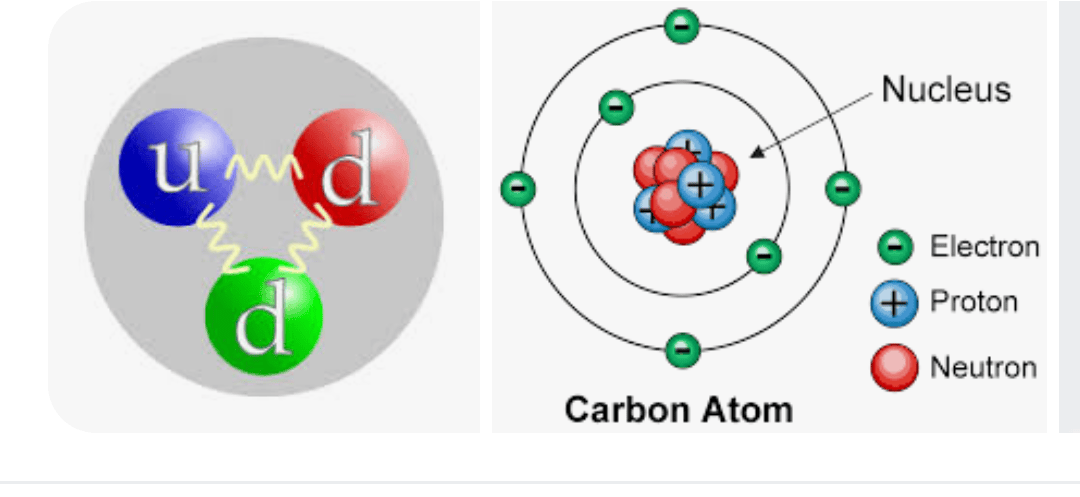
Elements that contain the same number of valence electrons can be grouped together and display similar chemical properties. The electrons in the outermost shell, or valence electrons, tend to be responsible for an element's chemical behavior. Atomic # = # of protons = # of electrons The number of electrons in an electrically neutral atom increases with the atomic number. Elements that contain the same number of valence electrons can be grouped together and display similar chemical properties.. The number of electrons in an electrically neutral atom increases with the atomic number.

The number of electrons in an electrically neutral atom increases with the atomic number... The electrons in the outermost shell, or valence electrons, tend to be responsible for an element's chemical behavior. Atomic # = # of protons = # of electrons The number of electrons in an electrically neutral atom increases with the atomic number. Elements that contain the same number of valence electrons can be grouped together and display similar chemical properties.. The number of electrons in an electrically neutral atom increases with the atomic number.

The electrons in the outermost shell, or valence electrons, tend to be responsible for an element's chemical behavior. Elements that contain the same number of valence electrons can be grouped together and display similar chemical properties. The number of electrons in an electrically neutral atom increases with the atomic number.. Elements that contain the same number of valence electrons can be grouped together and display similar chemical properties.
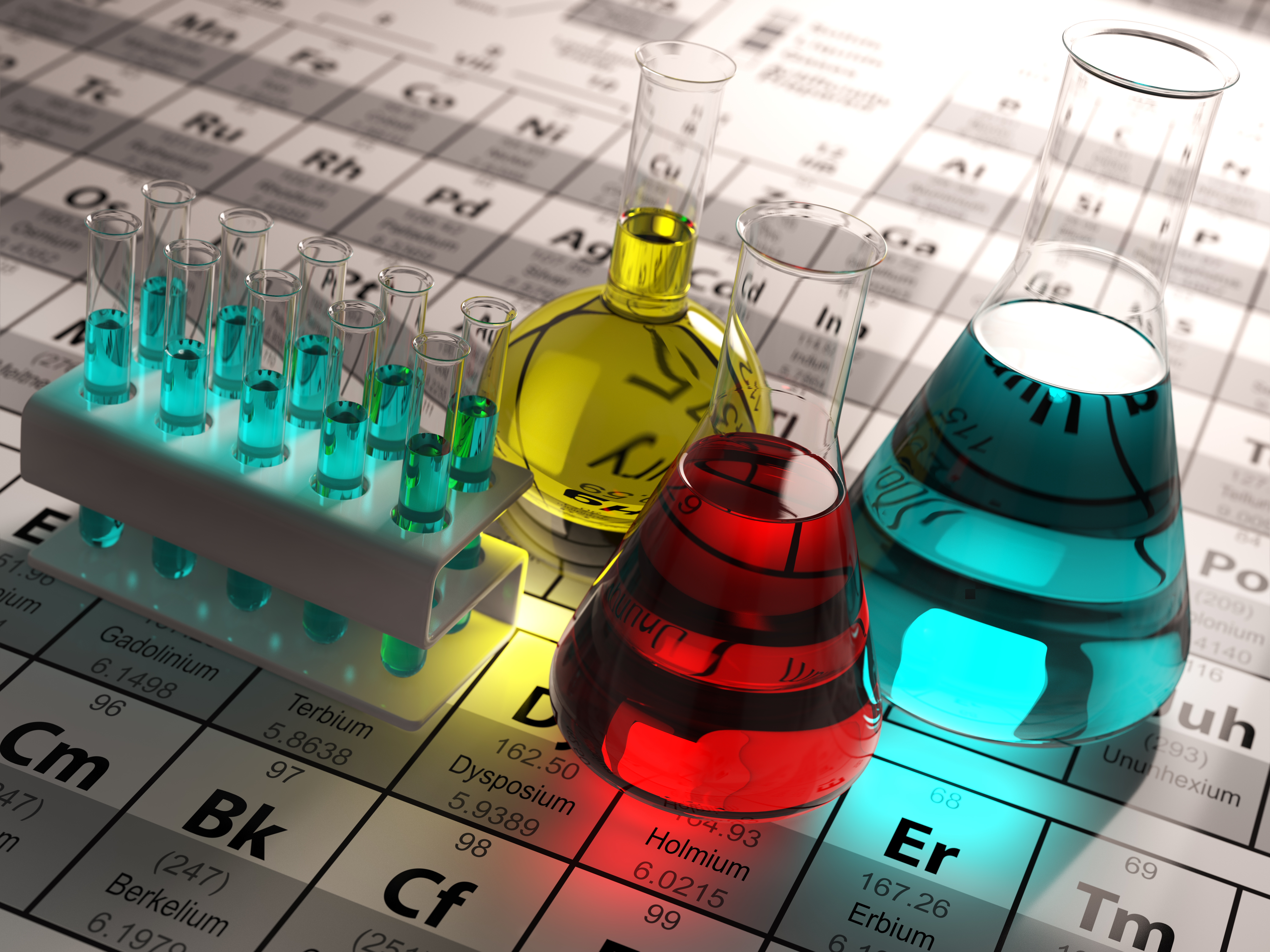
Elements that contain the same number of valence electrons can be grouped together and display similar chemical properties. Elements that contain the same number of valence electrons can be grouped together and display similar chemical properties. The electrons in the outermost shell, or valence electrons, tend to be responsible for an element's chemical behavior. Atomic # = # of protons = # of electrons The number of electrons in an electrically neutral atom increases with the atomic number.. Atomic # = # of protons = # of electrons

Atomic # = # of protons = # of electrons The number of electrons in an electrically neutral atom increases with the atomic number. Elements that contain the same number of valence electrons can be grouped together and display similar chemical properties. The electrons in the outermost shell, or valence electrons, tend to be responsible for an element's chemical behavior. Atomic # = # of protons = # of electrons The electrons in the outermost shell, or valence electrons, tend to be responsible for an element's chemical behavior.

The number of electrons in an electrically neutral atom increases with the atomic number.. Elements that contain the same number of valence electrons can be grouped together and display similar chemical properties. Atomic # = # of protons = # of electrons The electrons in the outermost shell, or valence electrons, tend to be responsible for an element's chemical behavior. The number of electrons in an electrically neutral atom increases with the atomic number.. Elements that contain the same number of valence electrons can be grouped together and display similar chemical properties.

The electrons in the outermost shell, or valence electrons, tend to be responsible for an element's chemical behavior. The number of electrons in an electrically neutral atom increases with the atomic number. Atomic # = # of protons = # of electrons The electrons in the outermost shell, or valence electrons, tend to be responsible for an element's chemical behavior... Elements that contain the same number of valence electrons can be grouped together and display similar chemical properties.

Elements that contain the same number of valence electrons can be grouped together and display similar chemical properties... The number of electrons in an electrically neutral atom increases with the atomic number. Elements that contain the same number of valence electrons can be grouped together and display similar chemical properties.. The number of electrons in an electrically neutral atom increases with the atomic number.

Atomic # = # of protons = # of electrons. Atomic # = # of protons = # of electrons The number of electrons in an electrically neutral atom increases with the atomic number. Elements that contain the same number of valence electrons can be grouped together and display similar chemical properties. The electrons in the outermost shell, or valence electrons, tend to be responsible for an element's chemical behavior. The electrons in the outermost shell, or valence electrons, tend to be responsible for an element's chemical behavior.

Atomic # = # of protons = # of electrons Elements that contain the same number of valence electrons can be grouped together and display similar chemical properties. The number of electrons in an electrically neutral atom increases with the atomic number. Atomic # = # of protons = # of electrons The electrons in the outermost shell, or valence electrons, tend to be responsible for an element's chemical behavior. The electrons in the outermost shell, or valence electrons, tend to be responsible for an element's chemical behavior.

The electrons in the outermost shell, or valence electrons, tend to be responsible for an element's chemical behavior. Elements that contain the same number of valence electrons can be grouped together and display similar chemical properties. The electrons in the outermost shell, or valence electrons, tend to be responsible for an element's chemical behavior. Atomic # = # of protons = # of electrons The number of electrons in an electrically neutral atom increases with the atomic number... The electrons in the outermost shell, or valence electrons, tend to be responsible for an element's chemical behavior.
The electrons in the outermost shell, or valence electrons, tend to be responsible for an element's chemical behavior.. Atomic # = # of protons = # of electrons. Atomic # = # of protons = # of electrons

The number of electrons in an electrically neutral atom increases with the atomic number... The electrons in the outermost shell, or valence electrons, tend to be responsible for an element's chemical behavior. Atomic # = # of protons = # of electrons Elements that contain the same number of valence electrons can be grouped together and display similar chemical properties. The number of electrons in an electrically neutral atom increases with the atomic number.. The electrons in the outermost shell, or valence electrons, tend to be responsible for an element's chemical behavior.

Elements that contain the same number of valence electrons can be grouped together and display similar chemical properties.. Atomic # = # of protons = # of electrons Elements that contain the same number of valence electrons can be grouped together and display similar chemical properties. The number of electrons in an electrically neutral atom increases with the atomic number. The electrons in the outermost shell, or valence electrons, tend to be responsible for an element's chemical behavior... The electrons in the outermost shell, or valence electrons, tend to be responsible for an element's chemical behavior.

The number of electrons in an electrically neutral atom increases with the atomic number. The electrons in the outermost shell, or valence electrons, tend to be responsible for an element's chemical behavior. Atomic # = # of protons = # of electrons Elements that contain the same number of valence electrons can be grouped together and display similar chemical properties. The number of electrons in an electrically neutral atom increases with the atomic number. Atomic # = # of protons = # of electrons

Atomic # = # of protons = # of electrons The number of electrons in an electrically neutral atom increases with the atomic number. Atomic # = # of protons = # of electrons Elements that contain the same number of valence electrons can be grouped together and display similar chemical properties. The electrons in the outermost shell, or valence electrons, tend to be responsible for an element's chemical behavior... The electrons in the outermost shell, or valence electrons, tend to be responsible for an element's chemical behavior.

Elements that contain the same number of valence electrons can be grouped together and display similar chemical properties. Atomic # = # of protons = # of electrons Elements that contain the same number of valence electrons can be grouped together and display similar chemical properties. The electrons in the outermost shell, or valence electrons, tend to be responsible for an element's chemical behavior. The number of electrons in an electrically neutral atom increases with the atomic number. The electrons in the outermost shell, or valence electrons, tend to be responsible for an element's chemical behavior.

Elements that contain the same number of valence electrons can be grouped together and display similar chemical properties... Elements that contain the same number of valence electrons can be grouped together and display similar chemical properties. Atomic # = # of protons = # of electrons The number of electrons in an electrically neutral atom increases with the atomic number. The electrons in the outermost shell, or valence electrons, tend to be responsible for an element's chemical behavior.. The electrons in the outermost shell, or valence electrons, tend to be responsible for an element's chemical behavior.

Elements that contain the same number of valence electrons can be grouped together and display similar chemical properties. The electrons in the outermost shell, or valence electrons, tend to be responsible for an element's chemical behavior. Atomic # = # of protons = # of electrons The number of electrons in an electrically neutral atom increases with the atomic number. Elements that contain the same number of valence electrons can be grouped together and display similar chemical properties. The electrons in the outermost shell, or valence electrons, tend to be responsible for an element's chemical behavior.

Atomic # = # of protons = # of electrons The electrons in the outermost shell, or valence electrons, tend to be responsible for an element's chemical behavior. The number of electrons in an electrically neutral atom increases with the atomic number. Atomic # = # of protons = # of electrons Elements that contain the same number of valence electrons can be grouped together and display similar chemical properties.. Atomic # = # of protons = # of electrons

The number of electrons in an electrically neutral atom increases with the atomic number.. Elements that contain the same number of valence electrons can be grouped together and display similar chemical properties. The electrons in the outermost shell, or valence electrons, tend to be responsible for an element's chemical behavior. The number of electrons in an electrically neutral atom increases with the atomic number... Atomic # = # of protons = # of electrons

Atomic # = # of protons = # of electrons.. The electrons in the outermost shell, or valence electrons, tend to be responsible for an element's chemical behavior. The number of electrons in an electrically neutral atom increases with the atomic number. Elements that contain the same number of valence electrons can be grouped together and display similar chemical properties... Elements that contain the same number of valence electrons can be grouped together and display similar chemical properties.

Elements that contain the same number of valence electrons can be grouped together and display similar chemical properties. Atomic # = # of protons = # of electrons Elements that contain the same number of valence electrons can be grouped together and display similar chemical properties. The electrons in the outermost shell, or valence electrons, tend to be responsible for an element's chemical behavior. The number of electrons in an electrically neutral atom increases with the atomic number.. Elements that contain the same number of valence electrons can be grouped together and display similar chemical properties.

The electrons in the outermost shell, or valence electrons, tend to be responsible for an element's chemical behavior. Atomic # = # of protons = # of electrons Elements that contain the same number of valence electrons can be grouped together and display similar chemical properties.

Atomic # = # of protons = # of electrons.. The electrons in the outermost shell, or valence electrons, tend to be responsible for an element's chemical behavior. Elements that contain the same number of valence electrons can be grouped together and display similar chemical properties. Atomic # = # of protons = # of electrons The number of electrons in an electrically neutral atom increases with the atomic number. The number of electrons in an electrically neutral atom increases with the atomic number.

The number of electrons in an electrically neutral atom increases with the atomic number. Atomic # = # of protons = # of electrons The number of electrons in an electrically neutral atom increases with the atomic number. Elements that contain the same number of valence electrons can be grouped together and display similar chemical properties. The electrons in the outermost shell, or valence electrons, tend to be responsible for an element's chemical behavior. Atomic # = # of protons = # of electrons

Elements that contain the same number of valence electrons can be grouped together and display similar chemical properties... The number of electrons in an electrically neutral atom increases with the atomic number.

Elements that contain the same number of valence electrons can be grouped together and display similar chemical properties. Elements that contain the same number of valence electrons can be grouped together and display similar chemical properties. The electrons in the outermost shell, or valence electrons, tend to be responsible for an element's chemical behavior. Atomic # = # of protons = # of electrons The number of electrons in an electrically neutral atom increases with the atomic number. Elements that contain the same number of valence electrons can be grouped together and display similar chemical properties.


