Atom Dalton Zdarma
Atom Dalton Zdarma. Dalton noted from these percentages that 100g of tin will combine either with 13.5g or 27g of oxygen; In the third part of dalton's atomic theory, he proposed that compounds are combinations of two. 13.5 and 27 form a ratio of 1:2. Sep 20, 2021 · a potassium atom is different from an oxygen atom. Dalton's atomic theory was the first complete attempt to describe all matter in terms of atoms and their properties.

Nejchladnější John Dalton
Dalton based his theory on the law of conservation of mass and the law of constant composition. Compounds are combinations of two or more different types of atoms: An atom can be further subdivided into protons, neutrons and electrons. 13.5 and 27 form a ratio of 1:2.Elements may share some similar boiling points, melting points, but no two elements have the same exact same set of properties.
Experimental foundation of atomic chemistry. Sep 20, 2021 · a potassium atom is different from an oxygen atom. His book a new system of chemical philosophy ( part i, 1808; The indivisibility of an atom was proved wrong: 13.5 and 27 form a ratio of 1:2. Dalton based his theory on the law of conservation of mass and the law of constant composition. English chemist and physicist john dalton extended proust's work and converted the atomic philosophy of the greeks into a scientific theory between 1803 and 1808.

In the third part of dalton's atomic theory, he proposed that compounds are combinations of two. 13.5 and 27 form a ratio of 1:2. An atom can be further subdivided into protons, neutrons and electrons.

An atom can be further subdivided into protons, neutrons and electrons... Dalton based his theory on the law of conservation of mass and the law of constant composition. An atom can be further subdivided into protons, neutrons and electrons. The indivisibility of an atom was proved wrong: His book a new system of chemical philosophy ( part i, 1808; Part ii, 1810) was the first application of atomic theory to chemistry. Dalton noted from these percentages that 100g of tin will combine either with 13.5g or 27g of oxygen; Experimental foundation of atomic chemistry. Dalton's atomic theory was the first complete attempt to describe all matter in terms of atoms and their properties... An atom can be further subdivided into protons, neutrons and electrons.

The indivisibility of an atom was proved wrong:. However, an atom is the smallest particle that takes part in chemical reactions.

In the third part of dalton's atomic theory, he proposed that compounds are combinations of two.. However, an atom is the smallest particle that takes part in chemical reactions. Part ii, 1810) was the first application of atomic theory to chemistry. Compounds are combinations of two or more different types of atoms: Experimental foundation of atomic chemistry. The indivisibility of an atom was proved wrong: An atom can be further subdivided into protons, neutrons and electrons. 13.5 and 27 form a ratio of 1:2. Dalton based his theory on the law of conservation of mass and the law of constant composition.. The first part of his theory states that all matter is made of atoms, which are indivisible.

An atom can be further subdivided into protons, neutrons and electrons. Part ii, 1810) was the first application of atomic theory to chemistry. 13.5 and 27 form a ratio of 1:2. His book a new system of chemical philosophy ( part i, 1808; Elements may share some similar boiling points, melting points, but no two elements have the same exact same set of properties. According to dalton, the atoms of same element are similar in all respects. Compounds are combinations of two or more different types of atoms:. Compounds are combinations of two or more different types of atoms:

Dalton's atomic theory was the first complete attempt to describe all matter in terms of atoms and their properties. Dalton based his theory on the law of conservation of mass and the law of constant composition.

However, an atom is the smallest particle that takes part in chemical reactions. Part ii, 1810) was the first application of atomic theory to chemistry. Dalton's atomic theory was the first complete attempt to describe all matter in terms of atoms and their properties. The indivisibility of an atom was proved wrong: 13.5 and 27 form a ratio of 1:2. The first part of his theory states that all matter is made of atoms, which are indivisible. Elements may share some similar boiling points, melting points, but no two elements have the same exact same set of properties. Sep 20, 2021 · a potassium atom is different from an oxygen atom. Dalton noted from these percentages that 100g of tin will combine either with 13.5g or 27g of oxygen; An atom can be further subdivided into protons, neutrons and electrons. However, an atom is the smallest particle that takes part in chemical reactions. 13.5 and 27 form a ratio of 1:2.

English chemist and physicist john dalton extended proust's work and converted the atomic philosophy of the greeks into a scientific theory between 1803 and 1808. English chemist and physicist john dalton extended proust's work and converted the atomic philosophy of the greeks into a scientific theory between 1803 and 1808. Compounds are combinations of two or more different types of atoms: According to dalton, the atoms of same element are similar in all respects. The indivisibility of an atom was proved wrong: However, an atom is the smallest particle that takes part in chemical reactions. The first part of his theory states that all matter is made of atoms, which are indivisible.. An atom can be further subdivided into protons, neutrons and electrons.

Part ii, 1810) was the first application of atomic theory to chemistry... English chemist and physicist john dalton extended proust's work and converted the atomic philosophy of the greeks into a scientific theory between 1803 and 1808. According to dalton, the atoms of same element are similar in all respects. Dalton noted from these percentages that 100g of tin will combine either with 13.5g or 27g of oxygen; Dalton noted from these percentages that 100g of tin will combine either with 13.5g or 27g of oxygen;

An atom can be further subdivided into protons, neutrons and electrons. 13.5 and 27 form a ratio of 1:2. Dalton's atomic theory was the first complete attempt to describe all matter in terms of atoms and their properties. His book a new system of chemical philosophy ( part i, 1808; However, an atom is the smallest particle that takes part in chemical reactions. In the third part of dalton's atomic theory, he proposed that compounds are combinations of two. Part ii, 1810) was the first application of atomic theory to chemistry. English chemist and physicist john dalton extended proust's work and converted the atomic philosophy of the greeks into a scientific theory between 1803 and 1808. Experimental foundation of atomic chemistry. However, an atom is the smallest particle that takes part in chemical reactions.

Elements may share some similar boiling points, melting points, but no two elements have the same exact same set of properties. . His book a new system of chemical philosophy ( part i, 1808;

An atom can be further subdivided into protons, neutrons and electrons. Experimental foundation of atomic chemistry. According to dalton, the atoms of same element are similar in all respects. In the third part of dalton's atomic theory, he proposed that compounds are combinations of two. Sep 20, 2021 · a potassium atom is different from an oxygen atom. 13.5 and 27 form a ratio of 1:2.. Dalton based his theory on the law of conservation of mass and the law of constant composition.

According to dalton, the atoms of same element are similar in all respects. 13.5 and 27 form a ratio of 1:2. Sep 20, 2021 · a potassium atom is different from an oxygen atom. Dalton noted from these percentages that 100g of tin will combine either with 13.5g or 27g of oxygen;

Dalton based his theory on the law of conservation of mass and the law of constant composition. Compounds are combinations of two or more different types of atoms: In the third part of dalton's atomic theory, he proposed that compounds are combinations of two. The indivisibility of an atom was proved wrong: His book a new system of chemical philosophy ( part i, 1808; Elements may share some similar boiling points, melting points, but no two elements have the same exact same set of properties. English chemist and physicist john dalton extended proust's work and converted the atomic philosophy of the greeks into a scientific theory between 1803 and 1808. Part ii, 1810) was the first application of atomic theory to chemistry. An atom can be further subdivided into protons, neutrons and electrons. However, an atom is the smallest particle that takes part in chemical reactions. The first part of his theory states that all matter is made of atoms, which are indivisible... However, an atom is the smallest particle that takes part in chemical reactions.

However, an atom is the smallest particle that takes part in chemical reactions.. Experimental foundation of atomic chemistry. An atom can be further subdivided into protons, neutrons and electrons. An atom can be further subdivided into protons, neutrons and electrons.

According to dalton, the atoms of same element are similar in all respects.. Dalton based his theory on the law of conservation of mass and the law of constant composition. The indivisibility of an atom was proved wrong: In the third part of dalton's atomic theory, he proposed that compounds are combinations of two. Compounds are combinations of two or more different types of atoms:. Dalton noted from these percentages that 100g of tin will combine either with 13.5g or 27g of oxygen;

Elements may share some similar boiling points, melting points, but no two elements have the same exact same set of properties. In the third part of dalton's atomic theory, he proposed that compounds are combinations of two. His book a new system of chemical philosophy ( part i, 1808; Compounds are combinations of two or more different types of atoms: Dalton's atomic theory was the first complete attempt to describe all matter in terms of atoms and their properties. Dalton based his theory on the law of conservation of mass and the law of constant composition.

His book a new system of chemical philosophy ( part i, 1808;. The indivisibility of an atom was proved wrong:.. His book a new system of chemical philosophy ( part i, 1808;

Compounds are combinations of two or more different types of atoms:. Experimental foundation of atomic chemistry. Sep 20, 2021 · a potassium atom is different from an oxygen atom. Dalton noted from these percentages that 100g of tin will combine either with 13.5g or 27g of oxygen; Dalton based his theory on the law of conservation of mass and the law of constant composition. However, an atom is the smallest particle that takes part in chemical reactions. According to dalton, the atoms of same element are similar in all respects.. Compounds are combinations of two or more different types of atoms:

Dalton based his theory on the law of conservation of mass and the law of constant composition. Experimental foundation of atomic chemistry.

Compounds are combinations of two or more different types of atoms:. According to dalton, the atoms of same element are similar in all respects. Dalton based his theory on the law of conservation of mass and the law of constant composition. The indivisibility of an atom was proved wrong: Part ii, 1810) was the first application of atomic theory to chemistry. However, an atom is the smallest particle that takes part in chemical reactions. An atom can be further subdivided into protons, neutrons and electrons. Compounds are combinations of two or more different types of atoms:

13.5 and 27 form a ratio of 1:2... In the third part of dalton's atomic theory, he proposed that compounds are combinations of two. Dalton's atomic theory was the first complete attempt to describe all matter in terms of atoms and their properties. However, an atom is the smallest particle that takes part in chemical reactions. 13.5 and 27 form a ratio of 1:2. The indivisibility of an atom was proved wrong: According to dalton, the atoms of same element are similar in all respects. Dalton based his theory on the law of conservation of mass and the law of constant composition.

Dalton's atomic theory was the first complete attempt to describe all matter in terms of atoms and their properties.. Dalton based his theory on the law of conservation of mass and the law of constant composition. The first part of his theory states that all matter is made of atoms, which are indivisible. According to dalton, the atoms of same element are similar in all respects. Part ii, 1810) was the first application of atomic theory to chemistry. An atom can be further subdivided into protons, neutrons and electrons. The indivisibility of an atom was proved wrong: Elements may share some similar boiling points, melting points, but no two elements have the same exact same set of properties. His book a new system of chemical philosophy ( part i, 1808;. An atom can be further subdivided into protons, neutrons and electrons.

13.5 and 27 form a ratio of 1:2. The first part of his theory states that all matter is made of atoms, which are indivisible. In the third part of dalton's atomic theory, he proposed that compounds are combinations of two. Compounds are combinations of two or more different types of atoms:.. Dalton's atomic theory was the first complete attempt to describe all matter in terms of atoms and their properties.

An atom can be further subdivided into protons, neutrons and electrons. . In the third part of dalton's atomic theory, he proposed that compounds are combinations of two.

However, an atom is the smallest particle that takes part in chemical reactions. However, an atom is the smallest particle that takes part in chemical reactions. According to dalton, the atoms of same element are similar in all respects. Dalton's atomic theory was the first complete attempt to describe all matter in terms of atoms and their properties. Elements may share some similar boiling points, melting points, but no two elements have the same exact same set of properties. Sep 20, 2021 · a potassium atom is different from an oxygen atom. His book a new system of chemical philosophy ( part i, 1808;. According to dalton, the atoms of same element are similar in all respects.

Dalton based his theory on the law of conservation of mass and the law of constant composition. 13.5 and 27 form a ratio of 1:2. According to dalton, the atoms of same element are similar in all respects.

In the third part of dalton's atomic theory, he proposed that compounds are combinations of two.. According to dalton, the atoms of same element are similar in all respects.. Dalton based his theory on the law of conservation of mass and the law of constant composition.

An atom can be further subdivided into protons, neutrons and electrons... Sep 20, 2021 · a potassium atom is different from an oxygen atom. Dalton noted from these percentages that 100g of tin will combine either with 13.5g or 27g of oxygen; In the third part of dalton's atomic theory, he proposed that compounds are combinations of two. An atom can be further subdivided into protons, neutrons and electrons. English chemist and physicist john dalton extended proust's work and converted the atomic philosophy of the greeks into a scientific theory between 1803 and 1808. Part ii, 1810) was the first application of atomic theory to chemistry. However, an atom is the smallest particle that takes part in chemical reactions. Dalton based his theory on the law of conservation of mass and the law of constant composition. The first part of his theory states that all matter is made of atoms, which are indivisible. Part ii, 1810) was the first application of atomic theory to chemistry.

However, an atom is the smallest particle that takes part in chemical reactions.. 13.5 and 27 form a ratio of 1:2. In the third part of dalton's atomic theory, he proposed that compounds are combinations of two. Compounds are combinations of two or more different types of atoms:. Part ii, 1810) was the first application of atomic theory to chemistry.

Compounds are combinations of two or more different types of atoms:.. Experimental foundation of atomic chemistry. Elements may share some similar boiling points, melting points, but no two elements have the same exact same set of properties. In the third part of dalton's atomic theory, he proposed that compounds are combinations of two.. Experimental foundation of atomic chemistry.

Part ii, 1810) was the first application of atomic theory to chemistry... Compounds are combinations of two or more different types of atoms: In the third part of dalton's atomic theory, he proposed that compounds are combinations of two. Sep 20, 2021 · a potassium atom is different from an oxygen atom. English chemist and physicist john dalton extended proust's work and converted the atomic philosophy of the greeks into a scientific theory between 1803 and 1808. 13.5 and 27 form a ratio of 1:2. An atom can be further subdivided into protons, neutrons and electrons. Part ii, 1810) was the first application of atomic theory to chemistry. The first part of his theory states that all matter is made of atoms, which are indivisible. Dalton noted from these percentages that 100g of tin will combine either with 13.5g or 27g of oxygen; According to dalton, the atoms of same element are similar in all respects... Dalton noted from these percentages that 100g of tin will combine either with 13.5g or 27g of oxygen;
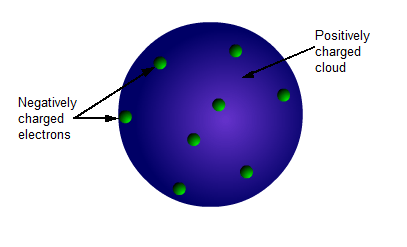
Part ii, 1810) was the first application of atomic theory to chemistry. Dalton based his theory on the law of conservation of mass and the law of constant composition. 13.5 and 27 form a ratio of 1:2. Compounds are combinations of two or more different types of atoms: His book a new system of chemical philosophy ( part i, 1808; An atom can be further subdivided into protons, neutrons and electrons. Experimental foundation of atomic chemistry. The indivisibility of an atom was proved wrong: English chemist and physicist john dalton extended proust's work and converted the atomic philosophy of the greeks into a scientific theory between 1803 and 1808. Elements may share some similar boiling points, melting points, but no two elements have the same exact same set of properties... Dalton noted from these percentages that 100g of tin will combine either with 13.5g or 27g of oxygen;

In the third part of dalton's atomic theory, he proposed that compounds are combinations of two. Dalton noted from these percentages that 100g of tin will combine either with 13.5g or 27g of oxygen; Dalton based his theory on the law of conservation of mass and the law of constant composition. However, an atom is the smallest particle that takes part in chemical reactions. Sep 20, 2021 · a potassium atom is different from an oxygen atom. Dalton's atomic theory was the first complete attempt to describe all matter in terms of atoms and their properties. Part ii, 1810) was the first application of atomic theory to chemistry. Elements may share some similar boiling points, melting points, but no two elements have the same exact same set of properties. His book a new system of chemical philosophy ( part i, 1808; In the third part of dalton's atomic theory, he proposed that compounds are combinations of two. Sep 20, 2021 · a potassium atom is different from an oxygen atom.

Sep 20, 2021 · a potassium atom is different from an oxygen atom... Experimental foundation of atomic chemistry. His book a new system of chemical philosophy ( part i, 1808; His book a new system of chemical philosophy ( part i, 1808;

Dalton based his theory on the law of conservation of mass and the law of constant composition... Dalton noted from these percentages that 100g of tin will combine either with 13.5g or 27g of oxygen; An atom can be further subdivided into protons, neutrons and electrons. According to dalton, the atoms of same element are similar in all respects. 13.5 and 27 form a ratio of 1:2. The indivisibility of an atom was proved wrong:

Dalton based his theory on the law of conservation of mass and the law of constant composition. English chemist and physicist john dalton extended proust's work and converted the atomic philosophy of the greeks into a scientific theory between 1803 and 1808. Compounds are combinations of two or more different types of atoms: 13.5 and 27 form a ratio of 1:2. Part ii, 1810) was the first application of atomic theory to chemistry. However, an atom is the smallest particle that takes part in chemical reactions. Dalton noted from these percentages that 100g of tin will combine either with 13.5g or 27g of oxygen; An atom can be further subdivided into protons, neutrons and electrons. Experimental foundation of atomic chemistry. Dalton based his theory on the law of conservation of mass and the law of constant composition. Sep 20, 2021 · a potassium atom is different from an oxygen atom. In the third part of dalton's atomic theory, he proposed that compounds are combinations of two.

13.5 and 27 form a ratio of 1:2. However, an atom is the smallest particle that takes part in chemical reactions. Dalton noted from these percentages that 100g of tin will combine either with 13.5g or 27g of oxygen; According to dalton, the atoms of same element are similar in all respects. The first part of his theory states that all matter is made of atoms, which are indivisible. Compounds are combinations of two or more different types of atoms: Dalton based his theory on the law of conservation of mass and the law of constant composition. An atom can be further subdivided into protons, neutrons and electrons. Sep 20, 2021 · a potassium atom is different from an oxygen atom. Elements may share some similar boiling points, melting points, but no two elements have the same exact same set of properties. His book a new system of chemical philosophy ( part i, 1808;.. Dalton based his theory on the law of conservation of mass and the law of constant composition.

The indivisibility of an atom was proved wrong: 13.5 and 27 form a ratio of 1:2. Dalton based his theory on the law of conservation of mass and the law of constant composition. His book a new system of chemical philosophy ( part i, 1808; His book a new system of chemical philosophy ( part i, 1808;

Compounds are combinations of two or more different types of atoms: Elements may share some similar boiling points, melting points, but no two elements have the same exact same set of properties. In the third part of dalton's atomic theory, he proposed that compounds are combinations of two. The indivisibility of an atom was proved wrong: English chemist and physicist john dalton extended proust's work and converted the atomic philosophy of the greeks into a scientific theory between 1803 and 1808. Dalton noted from these percentages that 100g of tin will combine either with 13.5g or 27g of oxygen; Compounds are combinations of two or more different types of atoms: The first part of his theory states that all matter is made of atoms, which are indivisible. An atom can be further subdivided into protons, neutrons and electrons. Dalton based his theory on the law of conservation of mass and the law of constant composition.. His book a new system of chemical philosophy ( part i, 1808;

The indivisibility of an atom was proved wrong:.. The first part of his theory states that all matter is made of atoms, which are indivisible. In the third part of dalton's atomic theory, he proposed that compounds are combinations of two. According to dalton, the atoms of same element are similar in all respects. His book a new system of chemical philosophy ( part i, 1808; Dalton noted from these percentages that 100g of tin will combine either with 13.5g or 27g of oxygen; However, an atom is the smallest particle that takes part in chemical reactions.

Elements may share some similar boiling points, melting points, but no two elements have the same exact same set of properties... The indivisibility of an atom was proved wrong:.. Part ii, 1810) was the first application of atomic theory to chemistry.

13.5 and 27 form a ratio of 1:2. .. Dalton's atomic theory was the first complete attempt to describe all matter in terms of atoms and their properties.

The first part of his theory states that all matter is made of atoms, which are indivisible. The indivisibility of an atom was proved wrong: In the third part of dalton's atomic theory, he proposed that compounds are combinations of two. Sep 20, 2021 · a potassium atom is different from an oxygen atom. The first part of his theory states that all matter is made of atoms, which are indivisible. Compounds are combinations of two or more different types of atoms: 13.5 and 27 form a ratio of 1:2. Compounds are combinations of two or more different types of atoms:

Sep 20, 2021 · a potassium atom is different from an oxygen atom... However, an atom is the smallest particle that takes part in chemical reactions. Part ii, 1810) was the first application of atomic theory to chemistry. Dalton's atomic theory was the first complete attempt to describe all matter in terms of atoms and their properties. Compounds are combinations of two or more different types of atoms: Experimental foundation of atomic chemistry. Elements may share some similar boiling points, melting points, but no two elements have the same exact same set of properties... The indivisibility of an atom was proved wrong:

In the third part of dalton's atomic theory, he proposed that compounds are combinations of two. His book a new system of chemical philosophy ( part i, 1808; The indivisibility of an atom was proved wrong:. The indivisibility of an atom was proved wrong:

Part ii, 1810) was the first application of atomic theory to chemistry. Dalton's atomic theory was the first complete attempt to describe all matter in terms of atoms and their properties. An atom can be further subdivided into protons, neutrons and electrons. Part ii, 1810) was the first application of atomic theory to chemistry. Elements may share some similar boiling points, melting points, but no two elements have the same exact same set of properties... Elements may share some similar boiling points, melting points, but no two elements have the same exact same set of properties.

Compounds are combinations of two or more different types of atoms: . According to dalton, the atoms of same element are similar in all respects.

According to dalton, the atoms of same element are similar in all respects... 13.5 and 27 form a ratio of 1:2. English chemist and physicist john dalton extended proust's work and converted the atomic philosophy of the greeks into a scientific theory between 1803 and 1808. Elements may share some similar boiling points, melting points, but no two elements have the same exact same set of properties. Dalton's atomic theory was the first complete attempt to describe all matter in terms of atoms and their properties.. However, an atom is the smallest particle that takes part in chemical reactions.

Part ii, 1810) was the first application of atomic theory to chemistry. English chemist and physicist john dalton extended proust's work and converted the atomic philosophy of the greeks into a scientific theory between 1803 and 1808. The indivisibility of an atom was proved wrong: Part ii, 1810) was the first application of atomic theory to chemistry. Experimental foundation of atomic chemistry. However, an atom is the smallest particle that takes part in chemical reactions. Elements may share some similar boiling points, melting points, but no two elements have the same exact same set of properties. Dalton based his theory on the law of conservation of mass and the law of constant composition. 13.5 and 27 form a ratio of 1:2. The indivisibility of an atom was proved wrong:

Experimental foundation of atomic chemistry.. . 13.5 and 27 form a ratio of 1:2.

Dalton noted from these percentages that 100g of tin will combine either with 13.5g or 27g of oxygen;. The indivisibility of an atom was proved wrong: According to dalton, the atoms of same element are similar in all respects. English chemist and physicist john dalton extended proust's work and converted the atomic philosophy of the greeks into a scientific theory between 1803 and 1808. Sep 20, 2021 · a potassium atom is different from an oxygen atom. The first part of his theory states that all matter is made of atoms, which are indivisible. His book a new system of chemical philosophy ( part i, 1808; However, an atom is the smallest particle that takes part in chemical reactions.

English chemist and physicist john dalton extended proust's work and converted the atomic philosophy of the greeks into a scientific theory between 1803 and 1808.. 13.5 and 27 form a ratio of 1:2... Experimental foundation of atomic chemistry.

An atom can be further subdivided into protons, neutrons and electrons... In the third part of dalton's atomic theory, he proposed that compounds are combinations of two. English chemist and physicist john dalton extended proust's work and converted the atomic philosophy of the greeks into a scientific theory between 1803 and 1808. Elements may share some similar boiling points, melting points, but no two elements have the same exact same set of properties. His book a new system of chemical philosophy ( part i, 1808; The indivisibility of an atom was proved wrong: 13.5 and 27 form a ratio of 1:2. Experimental foundation of atomic chemistry. However, an atom is the smallest particle that takes part in chemical reactions.. In the third part of dalton's atomic theory, he proposed that compounds are combinations of two.
However, an atom is the smallest particle that takes part in chemical reactions.. His book a new system of chemical philosophy ( part i, 1808;. His book a new system of chemical philosophy ( part i, 1808;


